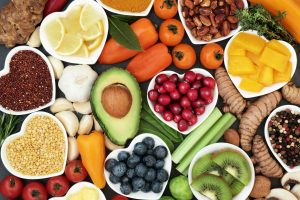
When I first heard about holistic health, I was intrigued and curious, yet skeptical. How could a practice that blends physical, emotional, and spiritual well-being truly work? But after diving in and learning more, I realized it’s not just about treating symptoms—it’s about nurturing the whole self. Holistic health is like tending to a garden. Just as a gardener waters, fertilizes, and removes weeds to nurture a healthy plant, holistic health nurtures the whole person—mind, body, and spirit—to flourish.
Mind-Body Connection
Picture this: A student is preparing for a big exam. The stress weighs heavily on her. Her stomach hurts, her head pounds, and her back aches from tension. She feels trapped, but what’s happening is her mind is speaking to her body, loudly.
The mind-body connection reveals how emotional and mental states can directly impact physical health. Techniques like mindfulness and meditation help bridge this gap, allowing individuals to recognize and heal imbalances that may show up as stress, anxiety, or even physical ailments.
Holistic Healing Therapies
Holistic healing therapies range from acupuncture to massage, but they all share one thing in common: they focus on the entire person. Whether you’re trying aromatherapy to relieve tension or using acupuncture for pain, these therapies aim to balance the mind, body, and spirit. They treat the cause, not just the symptoms. A client once shared how regular Reiki sessions helped her feel more centered, alleviating her chronic migraines in a way painkillers never could.
Energy Healing Practices & Techniques
Energy healing practices, like Reiki and Qigong, work with the body’s natural energy flow. Imagine your energy like a river; when it flows smoothly, everything thrives. But when it’s blocked, problems arise. These techniques aim to remove blockages and restore the natural flow. After trying Qigong, one man remarked it was like finding a hidden power source within him, helping him combat fatigue and stress.

Herbal Medicine and Remedies
For generations and across cultures, before the rise of modern medicine, people relied upon the knowledge of holistic herbal medicines and remedies. All around us, nature provides the solutions to our ailments and promotes healing. While modern medicine has its time and place, the use of herbal medicine and remedies has grown significantly. Whether it’s peppermint tea for digestion or echinacea to boost the immune system, these plants offer an alternative to over-the-counter medications, often with fewer side effects.
Holistic Health for Women
Women’s bodies are in constant flux, from puberty to menopause. Rather than offering a pill to mask symptoms, the holistic health approach seeks to understand and find the root cause of any imbalances. Holistic health focuses on hormone balance, nutrition, and stress reduction, making it a natural fit for addressing women’s unique health needs.
Holistic Health for Men
For men, holistic health is about balancing physical vitality with mental clarity. Holistic practices tailored for men, such as incorporating strength training, stress management, and balanced nutrition, can help me regain their energy and boost their testosterone.

Holistic Health for Children
Holistic approaches to children’s health focus on prevention and building a strong immune system. Think of a parent choosing fresh fruits, whole grains, and meditation as part of their child’s routine. Children benefit from practices like mindful breathing or tai chi, improving not only their physical health but also emotional resilience.
Holistic Approaches to Aging
Aging doesn’t have to be filled with aches and pains. I met a woman in her 70s who swore by a holistic diet, regular movement, and spiritual reflection to maintain her youthful energy. Holistic approaches emphasize maintaining vitality through balanced nutrition, emotional well-being, and staying active.
Holistic Nutrition for Healing
Holistic nutrition focuses on using food as medicine, with nutrient-dense meals supporting the body’s natural healing processes. From hydrating the body with mineral rich water to replacing process foods with whole foods, significant improvements can be seen when a holistic nutrition regiment is followed consistently.

Holistic Approach to Chronic Disease
When chronic illness strikes, many feel defeated. Turning to a holistic health approach and incorporating modalities like stress management, acupuncture, and dietary changes can help to manage a chronic condition rather than letting it take control, finding new vitality in the process.
Holistic Detox and Cleansing
We are exposed to toxins daily, from our beauty products to the air we breath. Think of your body as a sponge that soaks up everything in the environment. Over time, toxins can build up, making you feel sluggish. Our bodies do have an incredible detox system in place, however, our bodies have become overburdened. Holistic health detoxes, like juice cleanses or herbal teas, help support and cleanse the body naturally. It’s important to determine what type of cleanse would best support you and your needs before starting one.
Holistic Approaches to Immune Support
Holistic immune support focuses on utilizing immune boosting foods, herbal supplements, and stress management tools to bolster the immune system. The goal is to strengthen the body naturally, reducing the frequency of illnesses. Gut health also plays a vital role in a strong immune system.

Holistic Approaches to Weight Management
Instead of focusing on diets, holistic weight management views weight as a balance between body, mind, and spirit. With a holistic health approach, you can learn shifting your focus from weight loss and deprivation to developing a healthy relationship with food and focusing on how you want to feel.
Holistic Approaches to Mental Health
When life gets overwhelming, people often turn to unsupportive habits that can often increase their issues rather than reach for tools that can help manage certain mental health struggles. Depending on the mental health situation, common experiences like anxiety and depression can be managed through a holistic health approach. Remember, our minds and bodies are in direct relationship to one another. Speaking from experience, once I began to heal my gut, I noticed how my depression slowly started to ease its grasp.
Holistic Pain Management
Pain is unfortunately a part of life from time to time. However, it doesn’t have to be overwhelming or reliant on painkillers. Whether you are dealing with chronic pain or mild pain symptoms, there are plenty of solutions when it comes to a holistic health approach to pain management. Herbal remedies like cayenne and willow bark can help alleviate physical pain. Other techniques like massage and acupuncture can also provide relief. Holistic health pain management seeks to address both physical and emotional pain.

Holistic Stress Management
Stress is part of life, but holistic health approaches like deep breathing, nature therapy, and meditation can significantly reduce its impact. Try out different techniques to find what works best for you. Remember, a holistic health approach is about finding a solution that is suited for your needs.
Holistic Wellness in the Workplace
Imagine a workplace where wellness comes first. A company I consulted with introduced mindfulness breaks and ergonomic desks to support holistic wellness at work. Employees felt more energized and less burnt out, showing how small changes can lead to big results.
Holistic Wellness for Energy and Vitality
Low energy isn’t just from lack of sleep. Holistic health teaches us that vitality comes from balance, not quick fixes, and nourishing the body as a whole. External factors like chronic stress or problems in our relationships can also have an impact on our energy levels.

Holistic Health Myths and Facts
There’s a common misconception that holistic health replaces modern medicine. But the truth is, it complements it. Many people use both approaches for optimal health. It’s not about choosing one or the other, but about creating a personalized health plan that works for you.
FAQs
What is holistic health?
Holistic health is a complete approach to wellness, considering the mind, body, and spirit. It aims to balance all aspects of a person’s well-being.
How does holistic health differ from modern medicine?
Modern medicine often focuses on treating symptoms, while holistic health treats the whole person, addressing root causes like lifestyle, stress, and emotional well-being.
What are examples of holistic practices?
Holistic practices include yoga, meditation, herbal medicine, acupuncture, and mind-body therapies.
Can holistic health prevent illness?
By promoting balance in all areas of life, holistic health can help prevent illness and enhance overall well-being.
Is holistic health safe?
Yes, holistic practices are generally safe, especially when guided by a trained practitioner. They complement traditional treatments, offering a balanced approach to health.
Summary
Holistic health isn’t just a trend; it’s a timeless practice that addresses the entire person—mind, body, and spirit. Whether you’re trying to manage stress, improve digestion, or find relief from chronic pain, holistic health offers a balanced, nurturing approach to wellness.
Holistic health is about taking control of your health, tuning into your body’s signals, and creating harmony within. Just like tending to a garden, nurturing all parts ensures everything thrives.
“Health is not just about what you’re eating. It’s about what you’re thinking, saying, and how you’re living.” — Unknown
External Links and References
- Reiki therapy for pain, anxiety and quality of life – National Institutes of Health
- Tai Chi for Chronic Pain Conditions – National Institutes of Health
- Meditation Programs for Psychological Stress and Well-being – National Institutes of Health
Disclaimer: The content and information in this article has not been evaluated by the Food and Drug Administration and is not intended to diagnose, treat, cure or prevent any disease. We recommend that you consult with a qualified healthcare practitioner before starting any new supplement or herbal remedy, particularly if you are pregnant, nursing, or on any medications. For educational purposes only.