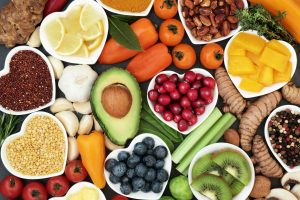
Holistic nutrition is an approach to health that goes beyond just the food on your plate. It considers the whole person—mind, body, and spirit—in the quest for optimal well-being. Instead of focusing on calories or restrictive diets, holistic nutrition embraces the idea that the body is an interconnected system. It uses whole foods, natural nutrients, and individualized nutrition plans to create lasting health improvements. This article explores the benefits of holistic nutrition, its principles, and how it can help support a variety of health needs.
Benefits of Holistic Nutrition
Imagine your body as a finely tuned orchestra. Each section—strings, brass, woodwinds—represents different systems in your body. When one instrument is off-tune, the whole performance suffers. Similarly, holistic nutrition ensures every part of the body is in harmony by focusing on natural foods that support physical, mental, and emotional well-being.
Holistic nutrition emphasizes:
- Whole foods for nutrient density.
- Supporting the immune system with antioxidants.
- Balancing the body’s natural processes to prevent disease.
This approach not only promotes physical health but also strengthens the mind-body connection, leading to better emotional balance and mental clarity.

Mind-Body Connection in Nutrition
Have you ever noticed how your mood changes after eating a certain meal? That’s because the mind and body are closely linked when it comes to nutrition. Holistic nutrition recognizes that food can influence your emotions just as much as your energy levels. For instance, meals rich in omega-3s (found in fatty fish) help reduce inflammation, which is linked to anxiety and depression.
Adding nutrient-rich foods into your diet can:
- Improve mental clarity.
- Reduce stress and anxiety.
- Support emotional well-being.
By paying attention to how different foods make you feel, you can use holistic nutrition to support both your body and your mental health.
Whole Foods in Holistic Nutrition
At the heart of holistic nutrition are whole foods—unprocessed, nutrient-dense options like fruits, vegetables, lean proteins, and healthy fats. Whole foods provide essential vitamins and minerals that support all of the body’s systems.
They help:
- Promote gut health.
- Stabilize energy levels.
- Support a strong immune system.
Instead of relying on supplements or processed meals, holistic nutrition encourages eating foods as close to their natural state as possible, ensuring the body receives everything it needs for optimal function.

Plant-Based Holistic Nutrition
While not everyone needs to follow a fully plant-based diet, including more plant-based meals in your nutrition plan offers numerous benefits. Fruits, vegetables, legumes, and whole grains are packed with fiber, antioxidants, and phytonutrients that support the body’s natural detoxification processes.
Some benefits of incorporating plant-based foods include:
- Reduced inflammation.
- Better digestion.
- Lowered risk of chronic diseases.
By focusing on plant-based options, holistic nutrition helps the body heal and thrive naturally.
Personalized Nutrition Plans
No two people are the same, and neither should their nutrition plans be. Holistic nutrition emphasizes the importance of individualized meal plans based on each person’s unique needs, health history, and lifestyle. Whether you’re dealing with specific health issues or just want to improve your energy levels, a personalized plan takes into account:
- Dietary preferences and restrictions.
- Activity level and stress management.
- Health goals, such as weight management or improving gut health.
Personalized plans help ensure you’re fueling your body with exactly what it needs to feel its best. Interested in what a personalized plan looks like for you? Click here to learn more about our meal planning.

Holistic Approaches to Food Sensitivities
Food sensitivities can lead to a host of uncomfortable symptoms, from bloating and fatigue to headaches and skin issues. Holistic nutrition helps identify and manage these sensitivities by eliminating the triggering foods and replacing them with nutrient-dense alternatives.
Common holistic solutions include:
- Eliminating common allergens like gluten or dairy.
- Incorporating anti-inflammatory foods like turmeric and ginger.
- Healing the gut through probiotics and fiber-rich foods.
By addressing food sensitivities with holistic nutrition, you can support better digestion and overall well-being.
Holistic Nutrition for Emotional Health
Did you know that what you eat can have a profound effect on your mood? Holistic nutrition recognizes the role that food plays in emotional health. Certain nutrients, such as B vitamins and omega-3 fatty acids, are essential for maintaining mental clarity and reducing symptoms of depression and anxiety.
Food Examples Include:
- Leafy greens for B vitamins.
- Fatty fish for omega-3s.
- Nuts and seeds for magnesium, which helps with relaxation.
By prioritizing these nutrients, holistic nutrition can help stabilize mood and support a positive outlook on life.

Holistic Nutrition for Energy and Vitality
Imagine waking up every day with vibrant energy, ready to take on whatever challenges come your way. Holistic nutrition can help you get there by focusing on foods that naturally boost energy and vitality. Instead of relying on quick fixes like caffeine or sugar, holistic nutrition encourages sustained energy through:
- Complex carbohydrates like brown rice and quinoa.
- Lean proteins like chicken and legumes.
- Healthy fats from avocados and nuts.
These foods provide long-lasting fuel, keeping you energized throughout the day without the crash that comes from processed foods.
Holistic Nutrition for Disease Prevention
One of the most powerful aspects of holistic nutrition is its ability to prevent chronic diseases. By focusing on nutrient-dense, anti-inflammatory foods, holistic nutrition reduces the risk of conditions like heart disease, diabetes, and cancer.
Some key principles include:
- Eating antioxidant-rich foods like berries and leafy greens.
- Reducing inflammation with omega-3s found in fish.
- Avoiding processed and sugary foods that contribute to chronic illness.
Through these strategies, holistic nutrition acts as a protective shield against disease, supporting a long, healthy life.

Holistic Nutrition for Gut Health
A healthy gut is central to overall health, influencing everything from digestion to the immune system. Holistic nutrition prioritizes gut health by encouraging probiotic-rich foods like yogurt, kefir, and fermented vegetables. These foods help maintain a healthy balance of bacteria in the gut, supporting better digestion and nutrient absorption.
In addition, holistic nutrition emphasizes:
- Fiber from whole grains and vegetables to support digestion.
- Avoiding processed foods that disrupt the gut microbiome.
- Staying hydrated to promote regularity.
By focusing on gut health, holistic nutrition improves digestion, reduces bloating, and strengthens the body’s natural defenses.
Holistic Nutrition for Weight Management
Rather than following restrictive diets or counting calories, holistic nutrition encourages a balanced approach to weight management. By prioritizing whole foods and mindful eating, you can achieve and maintain a healthy weight without feeling deprived.
Key strategies include:
- Mindful eating to tune into hunger and fullness cues.
- Eating balanced meals with a mix of protein, carbs, and healthy fats.
- Avoiding sugary, processed foods that contribute to weight gain.
With holistic nutrition, weight management becomes a natural byproduct of nourishing the body with the right foods.

Holistic Nutrition for Immune Support
Your immune system is your body’s first line of defense against illness, and holistic nutrition plays a crucial role in keeping it strong. By incorporating immune-boosting foods, you can help your body fight off infections and stay healthy year-round.
Some immune-supporting foods include:
- Garlic and onions for their natural antimicrobial properties.
- Citrus fruits for their high vitamin C content.
- Leafy greens for their rich antioxidant levels.
Incorporating these foods into your diet can strengthen your immune system and help you stay resilient against illness.
Holistic Nutrition for Mental Clarity
The brain is a powerful organ, and it requires the right nutrients to function at its best. Holistic nutrition supports mental clarity by providing the brain with essential fats, vitamins, and minerals that enhance cognitive function.
Foods that support brain health include:
- Omega-3s from fatty fish like salmon.
- Antioxidants from blueberries and spinach.
- Magnesium from nuts and seeds.
These nutrients help improve focus, memory, and overall cognitive function, making it easier to stay sharp and clear-headed.

Holistic Nutrition for Children
Children have unique nutritional needs, and holistic nutrition provides them with the essential vitamins and minerals they need for healthy growth and development. A balanced diet rich in whole foods helps support their immune system, brain development, and energy levels.
Key foods for children include:
- Fruits and vegetables for vitamins and antioxidants.
- Lean proteins for muscle development.
- Whole grains for sustained energy.
By teaching children to eat a balanced, nutrient-rich diet, holistic nutrition sets the foundation for a lifetime of good health.
Holistic Nutrition for Aging
As we age, our nutritional needs change. Holistic nutrition helps support healthy aging by focusing on foods that promote longevity, joint health, and mental sharpness. Nutrient-dense foods like leafy greens, berries, and fatty fish provide the body with the antioxidants and healthy fats it needs to combat inflammation and support cognitive function.
By following a holistic nutrition plan, you can enjoy more energy, better mobilityand cognitive health as you age, while also reducing the risk of chronic diseases like heart disease and diabetes.

Integrating Holistic Nutrition with Modern Medicine
Holistic nutrition works best when integrated with modern medicine. While conventional treatments focus on specific symptoms, holistic nutrition aims to address the root cause by supporting overall wellness. This approach can complement medical treatments by:
- Reducing side effects through anti-inflammatory foods.
- Supporting recovery with nutrient-dense meals.
- Enhancing long-term health and preventing future complications.
By combining holistic nutrition with modern medicine, individuals can create a more well-rounded and sustainable approach to their health.
Holistic Nutrition Myths and Facts
There are many misconceptions about holistic nutrition, and it’s important to clear them up. For example, some believe that holistic nutrition is all about restrictive diets or that it lacks scientific backing. In reality, holistic nutrition is grounded in evidence-based practices and focuses on balance, not restriction.
Debunking Myths
- Myth: Holistic nutrition is too expensive.
- Fact: While organic and fresh foods can be more costly, holistic nutrition encourages smart shopping and meal planning to reduce costs.
- Myth: Holistic nutrition doesn’t work for serious health conditions.
- Fact: Many people with chronic illnesses have benefited from holistic nutrition as a complement to traditional treatments.
By understanding the facts, you can make informed decisions about incorporating holistic nutrition into your life.

Future Trends in Holistic Nutrition
Holistic nutrition is constantly evolving. As more people recognize the importance of whole-body health, new trends are emerging that focus on optimizing nutrition for specific needs. Some future trends to watch include:
- Gut health innovations: More research on probiotics and prebiotics is uncovering how crucial gut health is for overall well-being.
- Plant-based eating: The plant-based movement continues to grow, with more people incorporating plant-rich meals into their diets for both health and environmental reasons.
- Personalized nutrition: Advances in technology are making it easier to create highly personalized meal plans based on genetic makeup, lifestyle, and individual health conditions.
Holistic nutrition is poised to play an even greater role in the future of healthcare, offering more customized and effective approaches to wellness.
FAQs
What is holistic nutrition?
Holistic nutrition is a whole-person approach to health that focuses on the mind, body, and spirit. It emphasizes the use of whole, unprocessed foods and aims to create balance in all areas of life.
Can holistic nutrition help with weight loss?
Yes, holistic nutrition encourages sustainable weight management by focusing on nutrient-dense, whole foods and promoting mindful eating habits.
How does holistic nutrition support the immune system?
A diet rich in vitamins, antioxidants, and anti-inflammatory foods strengthens the immune system, helping the body fight off infections and stay healthy.
What foods should I avoid in holistic nutrition?
Processed foods, refined sugars, and artificial additives are minimized in holistic nutrition, as they can contribute to inflammation and other health issues.
Is holistic nutrition suitable for children?
Yes, holistic nutrition helps provide children with the essential nutrients they need for growth and development, supporting both physical and mental health.
Summary
Holistic nutrition is a powerful approach to health that focuses on the whole person—mind, body, and spirit. By prioritizing whole foods, creating personalized nutrition plans, and understanding the mind-body connection, holistic nutrition promotes lasting health and well-being. Whether you’re looking to improve your energy, prevent disease, or manage weight, holistic nutrition offers a balanced, sustainable solution. As we move toward a future where personalized nutrition and gut health are key, holistic nutrition will continue to be a crucial part of the journey to wellness.
Holistic nutrition isn’t just a diet; it’s a way to support your body and mind for the long term. With the right foods and a balanced approach, anyone can improve their health and vitality.
“The doctor of the future will no longer treat the human frame with drugs, but rather will cure and prevent disease with nutrition.” — Thomas Edison
External Links and References
- Nutrition – World health Organization on Nutrition
- Nutrition – Harvard Health Publishing
- Integrative Nutrition: A Way of Life – Institute for Integrative Nutrition
Disclaimer: The content and information in this article has not been evaluated by the Food and Drug Administration and is not intended to diagnose, treat, cure or prevent any disease. We recommend that you consult with a qualified healthcare practitioner before starting any new supplement or herbal remedy, particularly if you are pregnant, nursing, or on any medications. For educational purposes only.