Probiotics. They’re those tiny, invisible superheroes working behind the scenes to keep your body in balance. If you’ve ever wondered why yogurt is often labeled a “health food,” or why kombucha is touted as the elixir of wellness, the answer likely lies in the billions of live microorganisms known as probiotics. But beyond being a trendy health term, probiotics play a crucial role in maintaining your overall well-being.
Benefits of Probiotics
Imagine your body as a bustling city. Probiotics are the friendly citizens who keep everything running smoothly, maintaining order and ensuring that disruptive bacteria don’t take over. Their primary role? Supporting a healthy digestive system. By replenishing the protective bacteria in your gut, probiotics help fight the disruptive bacteria, which can cause bloating, gas, and digestive discomfort. But their powers go beyond digestion.
Probiotics have been shown to:
- Boost your immune system.
- Help alleviate symptoms of irritable bowel syndrome (IBS).
- Reduce inflammation.
- Improve skin conditions like eczema and acne.
In fact, research suggests that probiotics may even influence your mood by enhancing communication between your gut and brain, a connection often referred to as the gut-brain axis (Source 5).

Choosing the Right Probiotic Supplement
With so many probiotic supplements on the market, it’s easy to feel overwhelmed. How do you pick the right one? Here’s the key: different probiotic strains serve different functions. Think of them like different breeds of dogs; each one has its specialty.
For example:
- Lactobacillus acidophilus: Great for digestion and easing stomach discomfort.
- Bifidobacterium bifidum: Known for enhancing immune support.
- Saccharomyces boulardii: Particularly helpful in preventing antibiotic-associated diarrhea (Source 6).
When choosing a probiotic, also consider the colony-forming units (CFUs). This refers to the number of live microorganisms in the supplement. A supplement containing anywhere from 1 to 50 billion CFUs is typical. Higher counts don’t always mean better results—what matters is that the strain matches your specific health needs.
Top Probiotic Foods
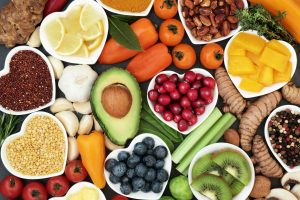
Supplements aren’t the only way to introduce probiotics into your system. Many common foods are rich in probiotics, and you may already be consuming them without even knowing it.
Here are some top probiotic-rich foods:
- Yogurt: A classic source of probiotics, especially if labeled with “live and active cultures.”
- Kefir: This fermented milk drink is packed with billions of good bacteria.
- Sauerkraut and kimchi: Both made from fermented cabbage, they provide a potent dose of probiotics (Source 1)(Source 3).
- Kombucha: A fermented tea, kombucha not only contains probiotics but also a wealth of antioxidants.
- Miso: A Japanese staple made from fermented soybeans, it’s a delicious way to add probiotics to soups and broths.
Incorporating these foods into your diet is an easy and natural way to promote gut health.

Probiotics for Gut Health
You’ve probably heard that “all health starts in the gut.” It’s not just a saying—it’s rooted in science. Your gut houses trillions of bacteria that affect not only digestion but also your overall health. Probiotics play a critical role in maintaining that balance. Learn more about gut health here.
An overgrowth of disruptive bacteria in your gut can lead to symptoms like:
- Bloating and gas.
- Constipation or diarrhea.
- Irritable bowel syndrome (IBS).
By introducing probiotics, you help restore balance to the gut, reducing these uncomfortable symptoms. In fact, studies have shown that people suffering from IBS experience fewer flare-ups when regularly consuming probiotic supplements (Source 2).
Probiotics for Immune Support
Did you know that up to 70% of your immune system resides in your gut? Probiotics help support a healthy immune system by ensuring that your gut bacteria stay balanced. This balance allows your body to better fight off infections and illnesses.
Certain strains, like Lactobacillus rhamnosus and Bifidobacterium longum, are particularly effective at boosting immune function. They help the body produce natural antibodies, which are essential for combating invaders like viruses and harmful bacteria (Source 1).

Probiotics for Mental Health
Probiotics might not be the first thing you think of when it comes to mental health, but the gut-brain axis suggests otherwise. This two-way communication system between your gut and brain means that a healthy gut can have a positive impact on your mood and mental clarity.
Research has found that specific probiotic strains can:
- Reduce symptoms of anxiety.
- Improve mood in people suffering from depression.
- Help regulate stress hormones like cortisol (Source 6).
By supporting gut health, probiotics can also support mental health, making them a promising avenue for treating mood disorders.
Probiotics for Skin Health
The benefits of probiotics aren’t limited to your insides—they can also have a big impact on your skin. Some strains of probiotics have been shown to help with eczema, acne, and even rosacea by reducing inflammation and promoting healthier skin barriers.
For example, Lactobacillus rhamnosus has been linked to a reduction in eczema symptoms, particularly in children (Source 3). By balancing the microbiome on your skin, probiotics can help you achieve clearer, more radiant skin.

Probiotics for Weight Management
Weight management is another area where probiotics have shown potential. While they’re not a magic bullet, they can certainly play a role in maintaining a healthy metabolism and reducing fat storage.
Certain strains like Lactobacillus gasseri and Bifidobacterium lactis have been linked to a reduction in belly fat. These probiotics help regulate how your body absorbs fats and sugars, potentially assisting with weight control (Source 6).
Probiotics for Women’s Health
For women, probiotics offer unique benefits. They can help maintain a healthy balance of bacteria in the vaginal microbiome, reducing the risk of infections such as urinary tract infections (UTIs) and yeast infections.
Additionally, probiotics have been shown to be helpful during pregnancy, aiding digestion and supporting immune health. Some studies even suggest that taking probiotics during pregnancy may lower the risk of eczema in babies (Source 2).
Probiotics for Children
Children can benefit from probiotics, especially when it comes to managing digestive issues. Whether your child has been on antibiotics or is dealing with acute diarrhea, probiotics can help restore gut balance.
Some studies suggest that probiotics shorten the duration of diarrhea in children by about one day. Strains like Lactobacillus rhamnosus GG have been particularly effective in treating pediatric gut issues (Source 3).

Probiotics for Seniors
As we age, our bodies naturally undergo changes that can affect our gut health. For seniors, probiotics can help maintain a healthy digestive system, reduce inflammation, and support immune function. Bifidobacterium bifidum and Lactobacillus plantarum are two strains that are particularly beneficial for older adults (Source 3).
DIY Probiotic Recipes
You don’t have to rely on store-bought supplements to get your dose of probiotics. There are plenty of easy DIY recipes that can help you incorporate probiotics into your diet naturally. Here are a few:
- Homemade yogurt: All you need is milk and a yogurt starter culture to create your own probiotic-rich yogurt.
- Kimchi: A fermented cabbage dish that’s both spicy and probiotic-packed.
- Kombucha: This fermented tea is a favorite among health enthusiasts and is easy to make at home with the right starter culture.
Making your own probiotic foods is not only rewarding but also a great way to control the ingredients you’re consuming

Probiotics for Antibiotic Recovery
Antibiotics are essential for fighting off bacterial infections, but they can also wipe out the beneficial bacteria in your gut. This often leads to antibiotic-associated diarrhea and other digestive issues. Probiotics can help by replenishing the good bacteria and restoring gut balance.
It’s particularly helpful to start taking probiotics during and after a course of antibiotics. Strains like Lactobacillus rhamnosus GG and Saccharomyces boulardii have been shown to reduce the risk of antibiotic-associated diarrhea (Source 3).
Probiotics for Travel
Traveling often disrupts your normal routine, including your gut health. Long flights, changes in diet, and different time zones can lead to digestive upset. Taking probiotics before and during travel can help maintain gut balance and prevent issues like traveler’s diarrhea (Source 2).

Probiotics for Athletic Performance
Athletes are increasingly turning to probiotics to help with faster recovery and reduced inflammation. Athletes may find that probiotics help manage muscle soreness, improve digestion during training, and even reduce the incidence of respiratory infections, which are common in high-intensity athletes (Source 6).
Strains such as Lactobacillus plantarum and Bifidobacterium bifidum can be particularly beneficial in reducing inflammation, while Saccharomyces boulardii is known for supporting gut health during intense training (Source 3).
Probiotics and Detoxification
Probiotics can also play a role in detoxification. By promoting a healthy digestive system, probiotics help the body eliminate waste more effectively, which is a key aspect of detoxification. A well-balanced gut helps reduce the overall toxic load by preventing harmful bacteria from producing endotoxins, which can otherwise enter the bloodstream and cause inflammation (Source 2).
Probiotics for Pet Health
Pets, like humans, benefit from having a healthy gut. Probiotics can help your furry friends maintain good digestion, boost their immune system, and even improve their skin and coat health. Strains like Lactobacillus acidophilus and Bifidobacterium animalis are commonly used in pet probiotic supplements to support their overall well-being (Source 6).

Future Trends in Probiotics
As research into the microbiome expands, so do the potential applications for probiotics. Future trends may include personalized probiotic supplements tailored to an individual’s unique gut microbiome, as well as new probiotic strains designed to target specific health conditions such as diabetes, cardiovascular health, and mental health disorders (Source 3).
FAQs
What are probiotics, and how do they work?
Probiotics are live microorganisms that help maintain a healthy balance of bacteria in the gut, promoting digestive health and boosting the immune system.
Can probiotics help with weight loss?
Some strains of probiotics, like Lactobacillus gasseri, have been shown to help regulate fat storage and metabolism, which can aid in weight management.
Are probiotics safe for children?
Yes, certain probiotics like Lactobacillus rhamnosus GG are safe for children and can help with digestive issues, especially after antibiotic use.
What are the side effects of taking probiotics?
While generally safe, probiotics can cause mild digestive discomfort like gas or bloating in some individuals. Those with weakened immune systems should consult a doctor before use.
Do probiotics improve skin health?
Yes, certain strains of probiotics have been shown to improve skin conditions like eczema and acne by reducing inflammation and promoting a healthy skin barrier.
Summary
Probiotics are much more than a trendy health supplement. They are essential for maintaining a healthy digestive system, supporting your immune function, improving mental health, and even benefiting your skin. Whether you choose to take supplements or incorporate more probiotic-rich foods into your diet, ensuring your gut is well-balanced with these protective bacteria is key to overall wellness.
As research continues to unfold, we’ll likely discover even more reasons to include probiotics in our daily health routine. By supporting our body’s natural balance, probiotics can improve our quality of life in ways we’re only beginning to understand.
“Your gut microbiome regulates your gut health, skin health, metabolic health, immune health, and brain health- influencing how we look and feel- so it’s important that we look after it.” — Carla Oats
External Links Sources and References
- An Introduction to Probiotics – Mayo Clinic Health System
- Probiotics – Cleveland Clinic
- Probiotics – National Institutes of Health
- Probiotics Fact Sheet – National Institutes of Health
- The Gut-Brain Connection – Cleveland Clinic
- Science-Backed Benefits of Probiotics & Who Should Take Them – MindBodyGreen
Disclaimer: The content and information in this article has not been evaluated by the Food and Drug Administration and is not intended to diagnose, treat, cure or prevent any disease. We recommend that you consult with a qualified healthcare practitioner before starting any new supplement or herbal remedy, particularly if you are pregnant, nursing, or on any medications. For educational purposes only.