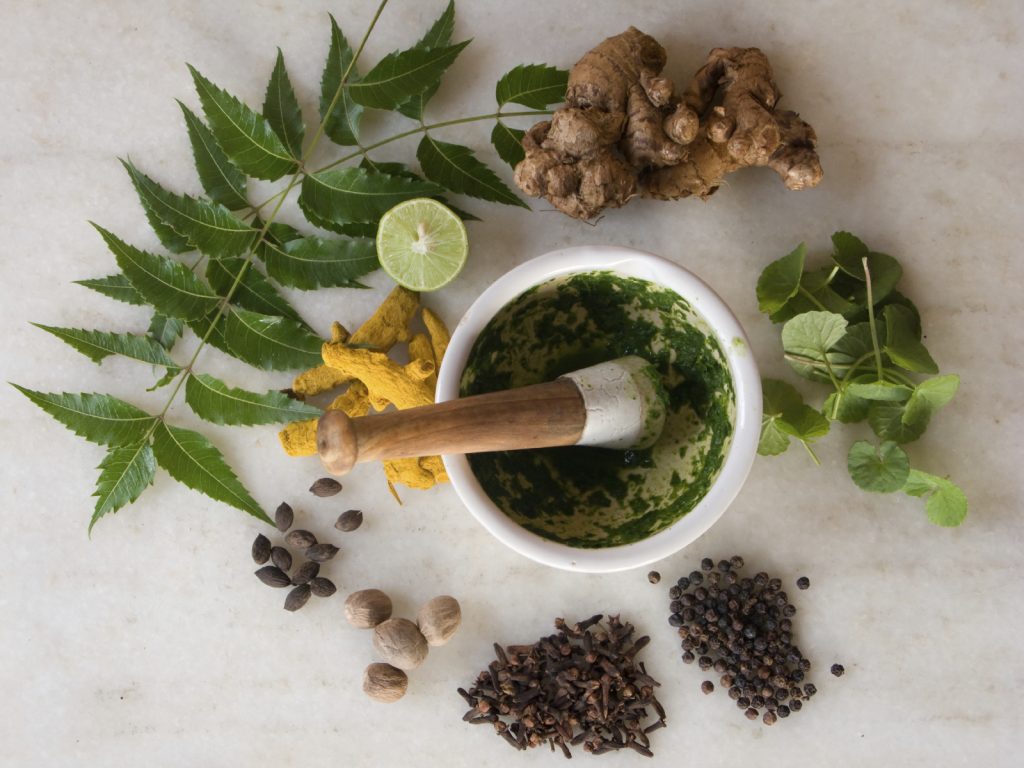
Imagine waking up in the foothills of the Himalayas, where the morning mist clings to the earth and the scent of herbs wafts through the air. This is where Ayurveda, the ancient Indian system of holistic healing, began over 5,000 years ago. It’s not just medicine; it’s a way of life that encourages harmony between the mind, body, and spirit.
What Is Ayurveda
At its core, Ayurveda is more than a method of treatment—it’s a philosophy that teaches us how to live in balance with nature. Derived from the Sanskrit words ‘Ayur’ (life) and ‘Veda’ (science or knowledge), Ayurveda literally means the “science or knowledge of life.” Unlike conventional Western medicine, which often focuses on treating symptoms, Ayurveda aims to uncover and address the root cause of illnesses, seeking to balance life itself through personalized practices and natural herbal remedies.
Key Concepts in Ayurveda
- Holistic Approach: Emphasizes balance in every aspect of life.
- Personalization: Treatments and lifestyle choices are tailored to the individual’s unique constitution or dosha.
- Preventative Care: Focuses on maintaining health rather than just curing disease.
The Three Doshas: Vata, Pitta, Kapha
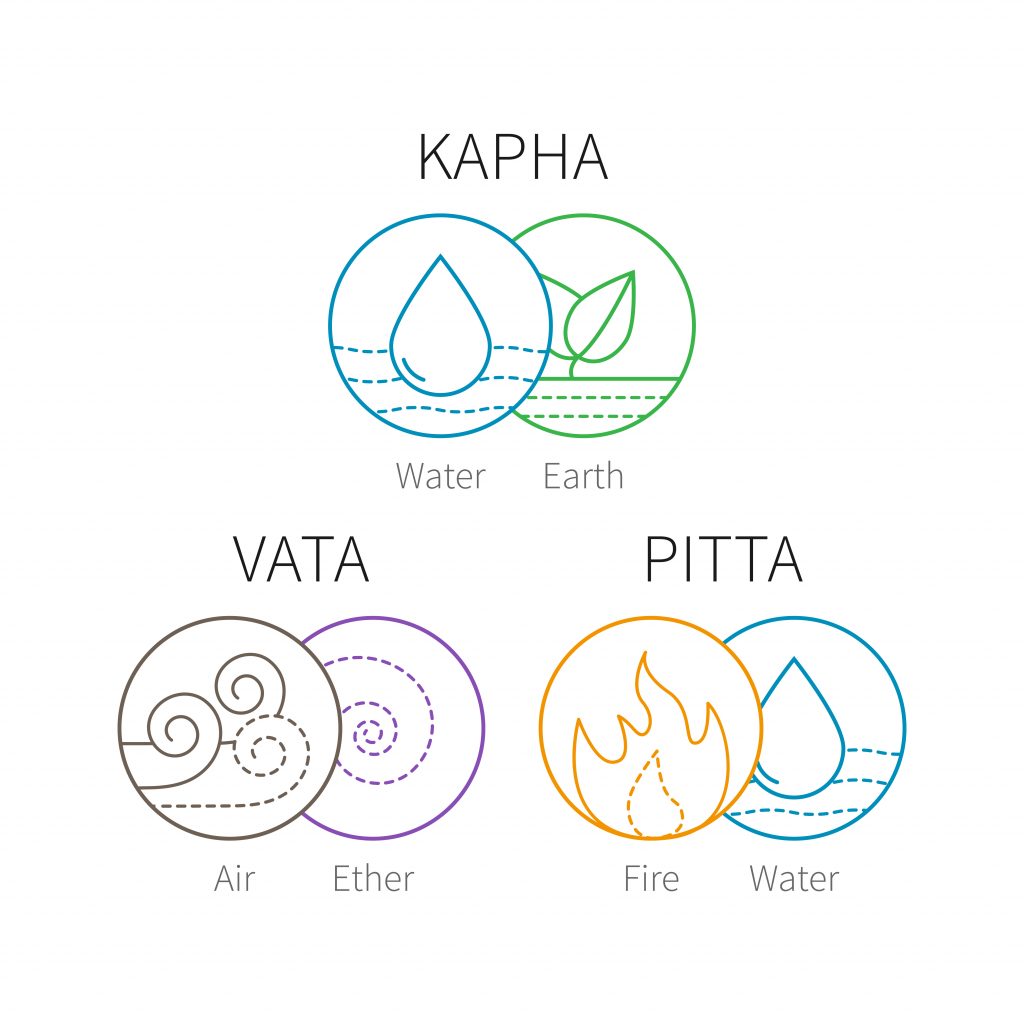
Picture three friends, each with a unique personality—this is how Ayurveda views Vata, Pitta, and Kapha. These three doshas are the energetic forces that drive our body and mind. Each dosha represents a combination of the five elements (earth, water, fire, air, and ether) and dictates our physical and mental characteristics. Recognizing your dominant dosha helps tailor a lifestyle that keeps you balanced and healthy through diet, liefstyle, and herbal remedies.
Understanding Your Dosha
- Vata: Governs movement and is associated with air and ether. Individuals with a dominant Vata are often energetic but may suffer from anxiety or insomnia when imbalanced.
- Pitta: Linked to fire and water, Pitta controls metabolism and digestion. Pitta types are ambitious but can become irritable if out of balance.
- Kapha: Representing earth and water, Kapha provides structure and stability. Those with a Kapha dominance are calm and grounded but may struggle with sluggishness or weight gain.
Ayurvedic Diet and Nutrition
In Ayurveda, food is medicine. The diet is tailored to your dosha and the changing seasons. For instance, someone with a Vata constitution should opt for warm, grounding foods like soups and stews, while a Pitta person might cool down with fresh fruits and salads. By aligning your diet with your dosha, you can improve digestion, boost energy, and maintain a healthy weight.
Dosha-Specific Nutrition
- Vata: Needs grounding foods like cooked vegetables, grains, and warm soups.
- Pitta: Benefits from cooling foods like cucumbers, melons, and leafy greens.
- Kapha: Requires light, spicy, and astringent foods to stimulate their slow digestion.
Panchakarma: Ayurvedic Detox and Cleansing
Detoxing isn’t a new trend—it’s an ancient Ayurvedic practice called Panchakarma. Imagine it as a deep spring cleaning for your body. Through a series of five treatments, Panchakarma removes toxins, revitalizes your organs, and restores balance. This process is more than just a physical cleanse; it’s a reset for your entire system, helping you feel refreshed and renewed.
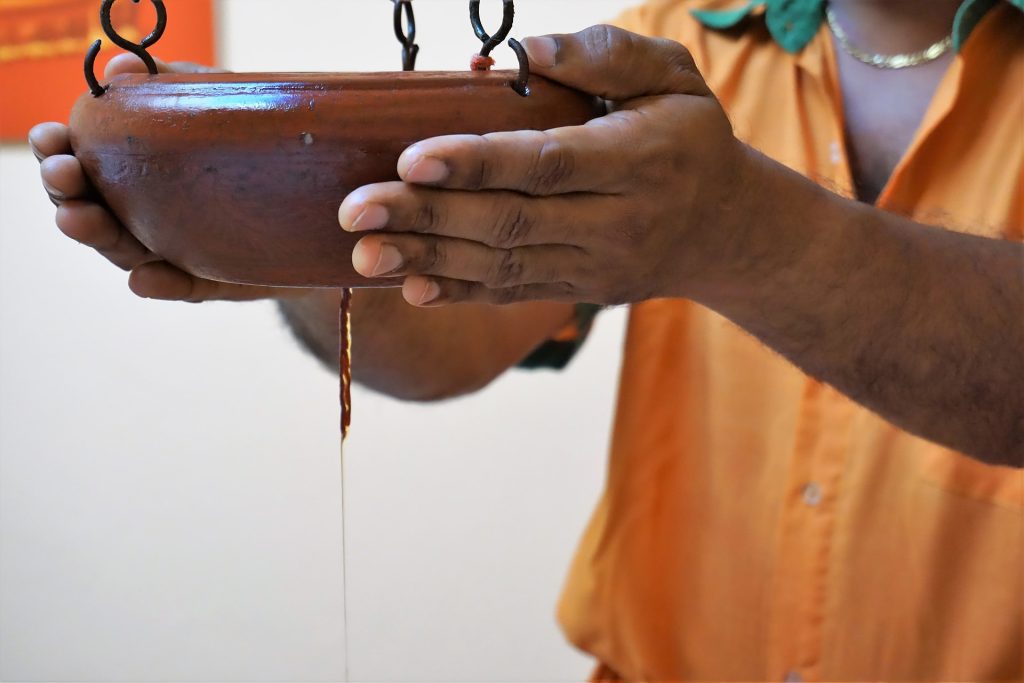
Prior to the Panchakarma treatments, or purification, taking place, the body is prepared with prescribed methods to encourage it to let go of the toxins. The two procedures are Snehan, oil massage, and Svedana, sudation or sweating. After a few days of Purvakarma, the pre-purification methods, a particular Panchakarma method is given according to the individuals constitution.
The Five Treatments of Panchakarma
- Vamana: Therapeutic vomiting to cleanse the stomach.
- Virechana: Purgation therapy to detoxify the intestines.
- Basti: Medicated enemas to purify the colon.
- Nasya: Nasal administration of herbs to clear the sinuses.
- Raktamokshana: Bloodletting to eliminate toxins from the bloodstream.
Ayurvedic Body Types (Prakriti)
Think of your Prakriti as your Ayurvedic blueprint—the unique combination of doshas you were born with. It’s like your own personal health code that dictates your tendencies, strengths, and vulnerabilities. Knowing your Prakriti helps you understand why you might be more prone to certain conditions and guides you in making lifestyle choices that support your well-being.
Ayurvedic Massage Techniques
Imagine being enveloped in warm oils as skilled hands work out tension and stress. Abhyanga, the traditional Ayurvedic massage, is not just about relaxation; it’s a therapeutic practice that balances the doshas, improves circulation, and enhances your body’s natural healing ability. Each massage is tailored to your specific dosha, ensuring a personalized and restorative experience.
Yoga and Ayurveda
Ayurveda and Yoga are like two sides of the same coin, both striving for harmony in life. While Ayurveda provides the foundation for a healthy body and mind through diet and lifestyle, Yoga offers the tools for spiritual growth. Together, they offer a comprehensive approach to health, combining physical postures, breathing techniques, and meditation to support overall well-being. Practicing Yoga asanas and breathing exercises that complement your dosha can enhance both physical health and inner peace.
Yoga Practices by Dosha
- Vata: Gentle, grounding asanas like child’s pose and forward bends.
- Pitta: Cooling, calming poses such as the moon salutation.
- Kapha: Energizing asanas like sun salutations and backbends.

Modern Applications of Ayurveda
In today’s fast-paced world, the ancient principles of Ayurveda are more relevant than ever. Whether it’s managing stress, improving diet, or using natural remedies, Ayurveda offers practical solutions for modern problems. It’s not just about treating illness but about living a life that prevents it—ensuring balance in every aspect of life.
Ayurvedic Approach to Chronic Disease
Chronic diseases often stem from long-term imbalances, and Ayurveda addresses these at their root. By understanding and correcting the underlying imbalances in your doshas, Ayurveda provides a roadmap to manage and even reverse chronic conditions. It’s about finding harmony in your body and mind, not just through treatments but through sustainable lifestyle changes.
Ayurveda for Digestive Health
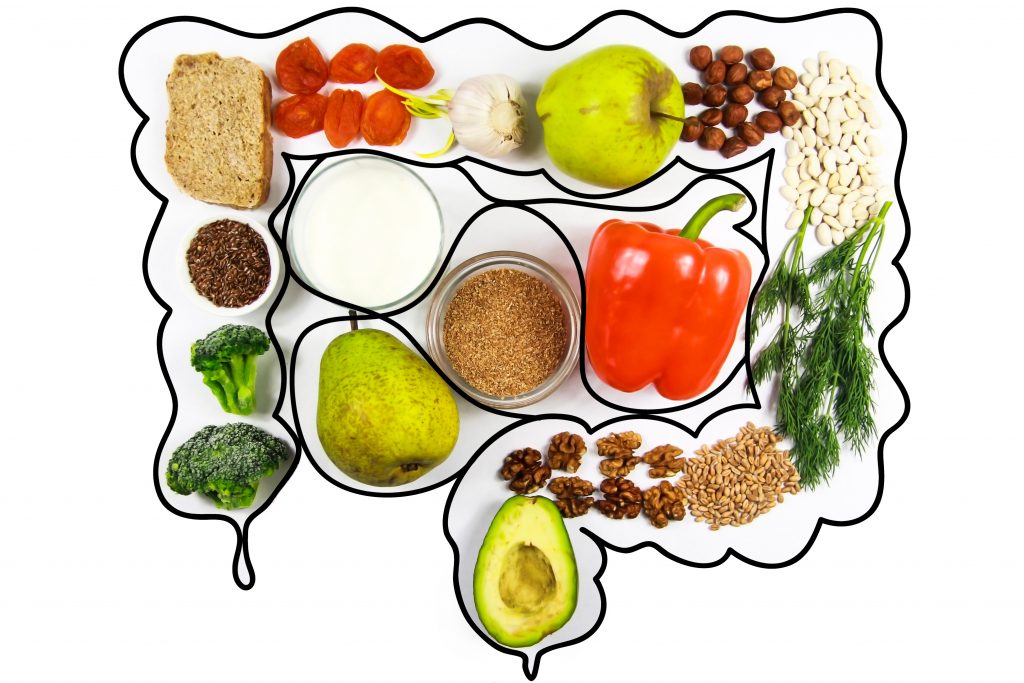
In Ayurveda, a strong digestive system is the cornerstone of good health. The concept of Agni, or digestive fire, is central to this belief. Just as a well-tended fire burns brightly, a balanced Agni ensures efficient digestion, absorption, and elimination. Ayurveda offers simple yet effective dietary guidelines and practices to maintain a robust digestive system, preventing illness and promoting vitality.
Tips for Healthy Digestion
- Eat Mindfully: Focus on your meal, chew thoroughly, and avoid distractions.
- Spice It Right: Use herbs and spices like ginger, cumin, and fennel to stimulate digestion.
- Eat According to Your Dosha: Tailor your diet to balance your digestive Agni.
Ayurvedic Lifestyle Practices
Daily routines, or Dinacharya, are the backbone of an Ayurvedic lifestyle. From the moment you wake up to when you go to bed, Ayurveda suggests practices like oil pulling, dry brushing, and specific meal times that align with the natural rhythms of your body. These small, daily habits can lead to profound long-term health benefits.
Ayurvedic Health Myths and Facts
There’s a lot of misinformation out there about Ayurveda. Some believe it’s just a bunch of spiritual mumbo-jumbo, while others think it’s incompatible with modern medicine. The truth? Ayurveda is a science-backed, practical approach to health that complements other medical systems. It’s not about choosing between Ayurveda and modern medicine; it’s about integrating the best of both worlds.
Integrating Ayurveda with Modern Medicine
Ayurveda and modern medicine don’t have to be at odds. In fact, they can complement each other beautifully. While modern medicine excels in acute care and surgery, Ayurveda offers a more holistic approach to prevention and chronic disease management. Together, they provide a well-rounded approach to health care that addresses the whole person.
Client Assessments in Ayurveda
Ayurvedic practitioners don’t just look at your symptoms—they assess your entire being. This includes understanding your dosha, current lifestyle, and even your mental and emotional state. This comprehensive assessment leads to a personalized treatment plan that addresses your unique needs, ensuring that every aspect of your health is considered.
Tools for Assessment
- Pulse Diagnosis: Reading the pulse to understand the balance of the doshas.
- Tongue Examination: The color, texture, and coating of your tongue reveal internal imbalances.
- Lifestyle and Diet: A detailed look at your daily habits to identify areas that need adjustment.

Ayurvedic Health for Special Populations
Ayurveda offers tailored approaches for different groups, including children, the elderly, and pregnant women. Each group has unique needs, and Ayurveda provides specific guidelines to ensure that treatments are safe and effective. This personalized care ensures that everyone, regardless of age or stage of life, can benefit from Ayurveda.
Future Trends in Ayurveda
The future of Ayurveda is bright, with increasing interest in natural health and wellness driving its global expansion. Technological advancements, coupled with growing research into Ayurvedic practices, are paving the way for new applications and integrations with modern medicine. As more people seek holistic solutions, Ayurveda’s principles of balance and prevention are becoming increasingly mainstream.
FAQs
What are the basic principles of Ayurveda?
Ayurveda is based on balancing the three doshas—Vata, Pitta, and Kapha—and maintaining a strong digestive fire, or Agni, to promote overall health.
What is the main goal of Ayurveda?
Ayurveda aims to maintain balance in the body, mind, and spirit through natural methods like diet, lifestyle changes, and herbal remedies.
Can Ayurveda help with weight loss?
Yes, by balancing your dosha and improving digestion, Ayurveda offers personalized diet and lifestyle changes that can aid in weight management.
Is Ayurvedic treatment safe?
When practiced by a qualified practitioner, Ayurvedic treatments are safe and can complement other medical treatments.
How can I find my dosha?
You can find your dosha through an assessment by an Ayurvedic practitioner or by taking an online dosha quiz. Discover your dosha by taking our online quiz here!
Summary
Ayurveda is a time-tested holistic healing system that emphasizes balance between the mind, body, and spirit. By understanding your unique constitution, or Prakriti, you can tailor your diet, lifestyle, and treatments to achieve optimal health. From detoxification through Panchakarma to personalized nutrition and daily routines, Ayurveda offers a comprehensive approach to wellness. As Ayurveda continues to integrate with modern medicine and adapt to our fast-paced lives, it provides valuable tools for managing chronic diseases, improving mental clarity, and maintaining overall well-being. Whether you’re new to Ayurveda or a seasoned practitioner, its timeless wisdom is more relevant today than ever.
“Ayurveda teaches us to cherish our innate-nature — to love and honor who we are, not as what people think or tell us, but as we know ourselves to be.” – Prana Gogia
External Links and References
- Ayurvedic Medicine – National Center for Complementary and Integrative Health
- History of Ayurveda – World Health Organization
- Ayurvedic Diet Guidelines – Banyan Botanicals
- National Ayurvedic Medical Association – Find a Certified Ayurvedic Practitioner
- Ayurveda Courses and Resources – Ayurveda Institute
Disclaimer: The content and information in this article has not been evaluated by the Food and Drug Administration and is not intended to diagnose, treat, cure or prevent any disease. We recommend that you consult with a qualified healthcare practitioner before starting any new supplement or herbal remedy, particularly if you are pregnant, nursing, or on any medications. For educational purposes only.